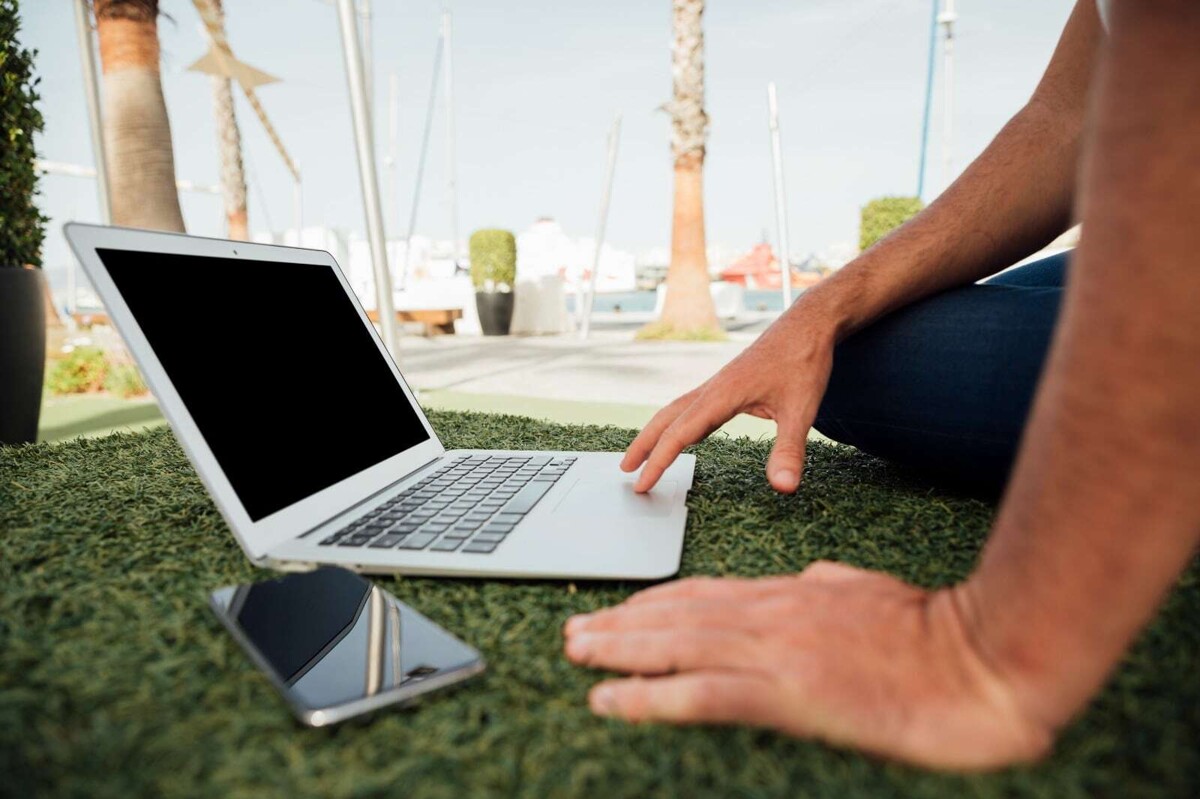
Weeks before the start of the 2026 World Cup, Mexico is already experiencing a transformation in its tourism dynamics: the early arrival of digital nomads to Mexico City marks the beginning of a phenomenon that combines remote work, international mobility, and local consumption. According to data from the Ministry of Tourism, the country started 2026 with 8.84 million international visitors in January, the highest figure ever recorded for a first month, which confirms a sustained growth in traveler arrivals and anticipates a key year for the industry. On the eve of the World Cup: a new visitor profile. Unlike traditional tourism, digital nomads do not come only for specific events, but rather settle temporarily in host cities—Mexico City, Guadalajara, and Monterrey—and stay for weeks or even months. This profile, which combines remote work with global mobility, is already beginning to position itself as a key player in the run-up to the World Cup, anticipating visitor flows with longer stays and sustained spending. Economic and urban impact. Digital nomads not only increase tourist demand but also modify consumption patterns in cities. Their presence boosts sectors such as temporary housing, coworking spaces, gastronomy, and urban mobility. Furthermore, their consumption behavior tends to be recurring and local, which strengthens neighborhood economies and urban ecosystems beyond traditional tourist areas. Mexico as a global talent hub. The growth of this phenomenon is a result of a combination of factors: connectivity, cultural offerings, competitive costs, and an expanding urban infrastructure. In this context, Mexico City has consolidated itself as one of the most relevant markets for flexible workspaces globally, positioning itself as a connection point for international talent that not only visits but also temporarily integrates into urban life. A growing trend. Digital nomadism also reflects a structural change in the labor market. According to sector studies, six out of ten professionals in Mexico aspire to adopt this lifestyle, while a smaller percentage already practices or has experienced it. Globally, there is a growing group of workers who operate from multiple cities in the same year, consolidating a model based on flexibility and constant mobility. What does it mean for the 2026 World Cup? The arrival of digital nomads redefines the impact of the World Cup beyond sports tourism. Their presence extends the duration of the visitor flow and increases the economic value per stay. With national teams and international fans arriving in the country in the coming months, this profile adds a new layer of visitors that transforms how host cities are inhabited. Beyond the stadiums, the 2026 World Cup profiles Mexico as a global node where tourism, work, and lifestyle converge. The early arrival of digital nomads in Mexico City not only anticipates high demand but also reconfigures the tourism model towards longer stays, local consumption, and urban dynamism.